Imagine the Possibilities of a Pain-free Life / Call Today 833-4-PAIN 800
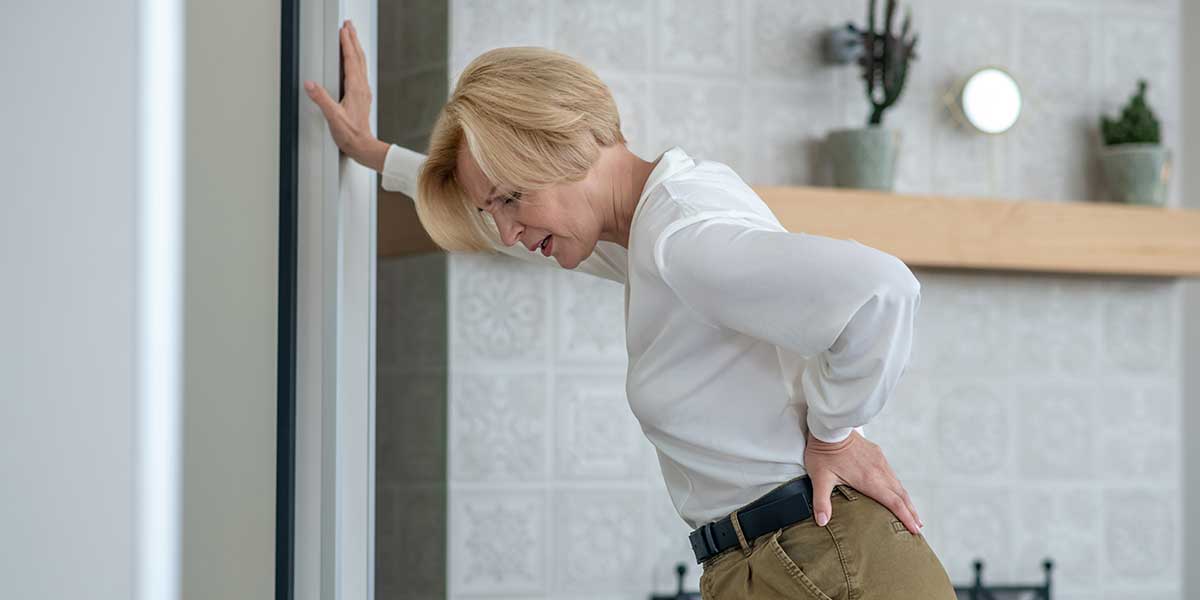
You stand up after an hour at your desk, and a sharp pain shoots from your lower back down the back of one leg, making you pause before taking a step. Our chiropractic treatment in Boca Raton may help you pinpoint the problem. If you are heading toward that time of life, it may also be worth considering whether your pain is connected to menopause-related hormonal changes.
Can menopause trigger sciatica? In this guide, ChiroCare of Florida explores this question in more detail.
Some research has linked menopause with more severe spinal disc degeneration, even after accounting for age. This finding suggests a possible connection, but it does not establish that menopause directly causes sciatica.
You may develop sciatica when the nerve roots in your lower back become irritated or compressed, often by a herniated disc. Your spinal discs cushion the bones in your back, and when these structures lose height, nearby nerves may have less room. Disc changes don’t always cause symptoms, but many people find sciatica flare-ups extremely painful.
While menopause is not an established cause of sciatic nerve pain, you may notice changes in how severe your discomfort feels during this time. Researchers are still examining whether declining estrogen levels affect nerve sensitivity or pain perception.
Sleep can also affect your comfort. If hot flashes repeatedly wake you, existing discomfort may feel harder to manage the following day. Falling estrogen can also increase your osteoporosis risk, though bone loss and nerve compression remain separate concerns.
If you’re wondering, “Can menopause trigger sciatica?” because of new discomfort, pay attention to where the pain travels. Menopause-related joint and muscle pain may cause general aching or stiffness. Sciatica often affects one side and remains within your lower body.
These signs may point to sciatica:
You may experience possible sciatica symptoms like lower back and leg pain together.
Your clinician will ask when symptoms began and where the pain moves. Explain how sitting or walking affects your discomfort, and mention previous back injuries.
The examination may focus on leg strength and reflexes, and then test for changes in sensation. These findings help identify which nerve roots could be affected. Even if you suspect sciatic nerve inflammation, an assessment helps identify the underlying problem before care begins.
Scans may reveal changes unrelated to your discomfort. However, imaging is generally only considered when results could guide treatment or when warning signs require investigation.
With sciatica, it is important to stay active within your tolerance. Try short walks if longer outings feel uncomfortable. Change position regularly to avoid extended sitting.
A physical therapist can help you choose exercises suited to your symptoms. Before taking pain medication, check with a pharmacist or clinician about suitable options. Mention kidney disease or blood thinners, since these can affect which analgesics you can safely use.
Get immediate medical attention for:
These symptoms can indicate serious nerve compression.
Menopause may not trigger sciatica, but you can discuss treatment options that address the cause of your pain and help you manage your symptoms. Your clinician may recommend exercises suited to your symptoms and ability. Hands-on care, such as massage or joint mobilization, may complement those exercises.
If severe pain continues or limits everyday activities, you may need a specialist assessment. Hormone therapy can help certain menopause symptoms. Discuss whether it suits your needs with the clinician managing your menopause care.
We’ve explored the answer to “Can menopause trigger sciatica?” Now, you can focus on identifying the cause of your back and leg pain.
At ChiroCare of Florida, we assess your symptoms and recommend care based on your condition. Your plan may include chiropractic adjustments and guided rehabilitation exercises. If sciatica or herniated disc pain keeps returning, we can also reassess your care plan and discuss the next steps.
Call (561) 332-1152 today to schedule your evaluation at ChiroCare of Florida in Boca Raton.