Imagine the Possibilities of a Pain-free Life / Call Today 833-4-PAIN 800
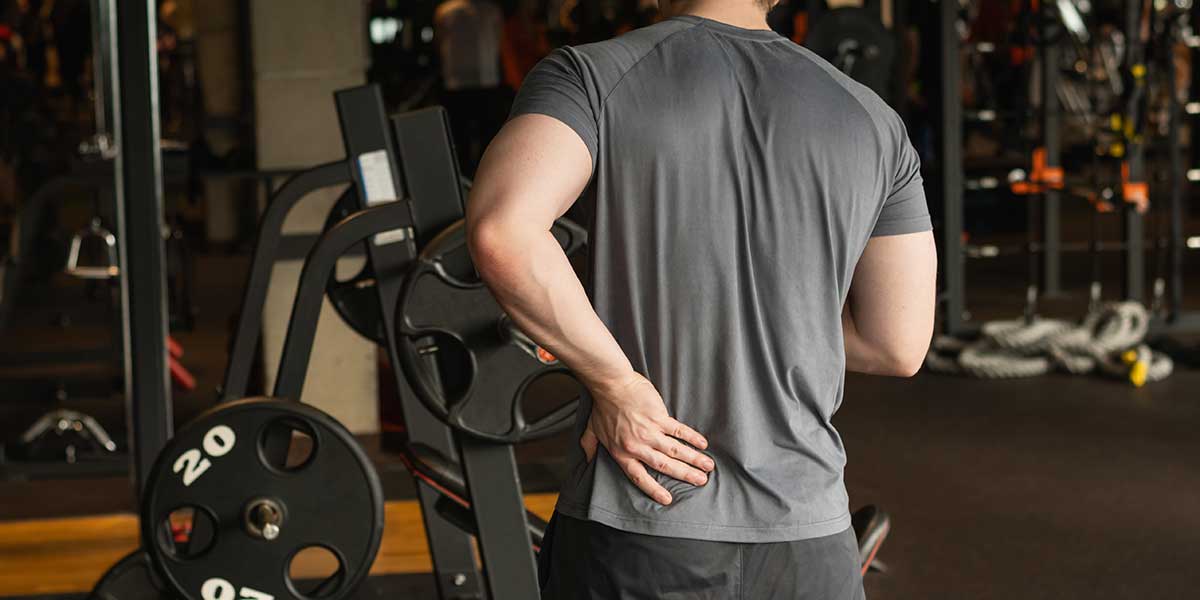
You pull yourself out of bed the morning after leg day and feel a stiff, achy pull in your lower back that wasn’t there before. If your lower back hurts after deadlifting, you have joined lifters of every experience level who deal with this common complaint.
This guide from ChiroCare of Florida explains when deadlifting can cause back trouble and what you can do about it. The practice’s chiropractic wellness professionals help patients better understand movement-related discomfort and provide personalized treatment plans.
A deadlift asks a lot from the different parts of your body at once. Your hips and back muscles must work together to lift the weight.
The lumbar spine is especially vulnerable during this lift because it sits at the base of a long chain of moving parts. When your form breaks down, even slightly, that lower section of your spine absorbs the extra load instead of distributing it evenly across bigger, stronger muscles.
Several lifting habits can explain why deadlift sessions can affect your lower back more than expected. Try to avoid the following deadlifting mistakes:
Reviewing these habits as you work out can help you pinpoint which one might be contributing to your discomfort.
Attaining a proper deadlift form may require core bracing to create steady tension around the trunk before the lift begins. This support can reduce unnecessary movement through the lower back and should continue as you stand and lower the weight. When your back muscles work with your core rather than taking over, your spine is better supported throughout the lift.
If your lower back hurts after deadlifting, certain symptoms may suggest the issue is more than routine soreness:
If these symptoms sound familiar, get your back checked rather than pushing through it.
Sometimes, the issue is not one rep but the total workload placed on the body. If your lower back hurts after deadlift workouts, even when your form seems controlled, the program may be progressing faster than your tissues can tolerate.
Too many heavy sets in the same week can leave the lumbar area increasingly inflamed. Temporarily reducing the volume and gradually building back up may help you find a safer training rhythm.
Proper deadlift mechanics do not start only when you step up to the bar. Long hours of sitting can make the hips feel stiff, which may affect how well you hinge during a lift.
If your hips do not move freely, your lower back may compensate when the bar leaves the floor. Improving daily posture and adding gentle mobility work can make your setup feel more controlled.
Keeping the back comfortable after deadlifts also depends on how well your body recovers outside of training. Poor sleep and inconsistent hydration can make muscles feel more reactive after a hard session. The lower back may also feel tighter when tissue repair is slower, or inflammation stays elevated.
Building steady recovery habits between workouts gives the body a better chance to tolerate future lifts without turning normal soreness into ongoing irritation.
If your lower back hurts after deadlift sessions on a regular basis, you should not ignore the recurring discomfort. Professionals like ChiroCare of Florida can evaluate how your spine and movement patterns interact, and recommend a care plan.
You can call (561) 606-9590 to schedule an evaluation in Boynton Beach, FL. Our team also helps with common migraine triggers, as part of a broader approach to wellness.