Imagine the Possibilities of a Pain-free Life / Call Today 833-4-PAIN 800
Your sciatica flares up on some days and barely registers on others, and you cannot quite figure out why. Routine habits are often the hidden triggers, working against you between flare-ups. In this guide, ChiroCare of Florida outlines common reasons for sciatica pain getting worse and how chiropractic wellness can support better movement.
Sciatica occurs when a nerve root in the lower spine becomes irritated or compressed, causing symptoms that travel along the sciatic nerve pathway. A sciatica flare can range from a dull ache to a sharp, shooting sensation depending on how much pressure the nerve is under. Understanding where that pressure originates is the first step toward easing it.
If your sciatica pain is getting worse, watch for the following changes in your symptoms:
Tracking these changes can help a healthcare provider determine whether the nerve irritation requires further evaluation.
The following sections explain how routine positions and movements can contribute to recurring sciatica discomfort.
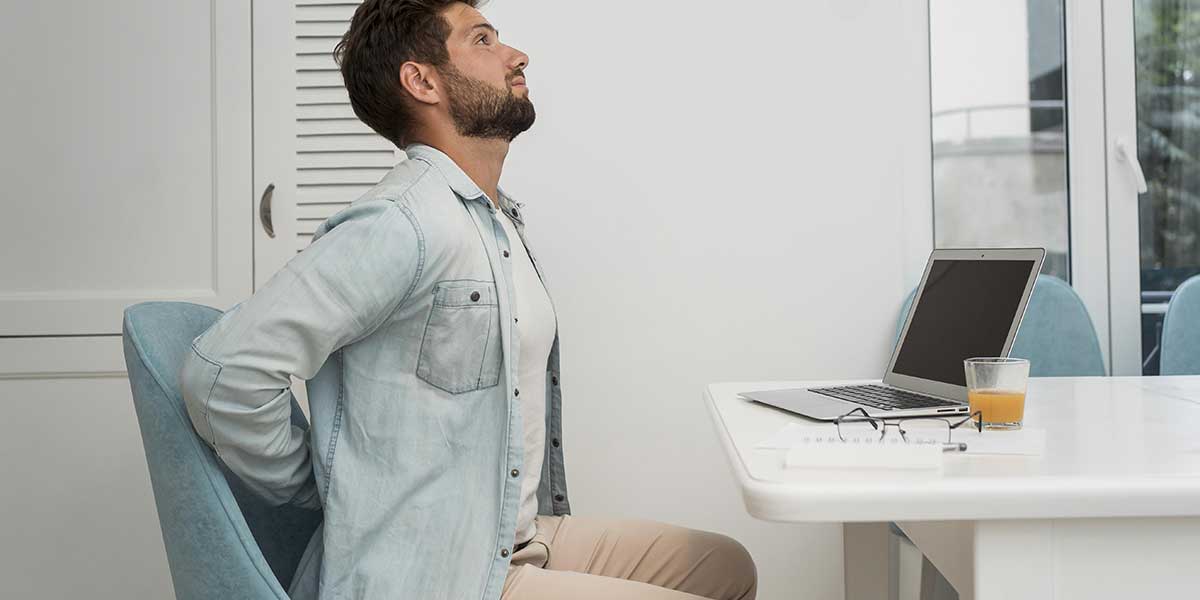
Long periods of sitting can aggravate sciatica symptoms, particularly when the seated position increases lower-back discomfort. A few sitting habits tend to aggravate the symptoms:
Small posture corrections throughout the day can help reduce lower-back strain.
Bending at the waist to lift something heavy, rather than using your legs, places sudden strain on the lower back. Staying still for too long can be just as harmful as overexertion, since stiff muscles offer less support for the spine.
A herniated disc happens when the soft cushioning between spinal bones pushes outward and presses on a nearby nerve. This is one of the more common underlying causes of ongoing lower back pain that radiates into the leg.
Not every case of sciatica involves a herniated disc, but when one is present, habits that add pressure to the spine can make symptoms noticeably worse. Identifying this cause typically requires an exam rather than guesswork.
If your sciatica pain is getting worse over time, small adjustments can help calm inflammation and muscle tension around the nerve. The following changes may provide temporary relief:
Consistency with these habits tends to produce better results than occasional effort.
Most sciatica flare-ups are uncomfortable but not emergencies. However, loss of bladder or bowel control requires emergency care, especially when accompanied by groin numbness or rapidly worsening weakness.
These symptoms require immediate medical evaluation rather than at-home care or a routine chiropractic visit. Severe pain following a fall or other injury should also be assessed promptly.
A professional evaluation can help determine whether symptoms follow a pattern consistent with sciatic nerve irritation. The provider may ask when the pain began, which movements aggravate it, and how far the discomfort travels down the leg.
Movement testing can also reveal limitations that may be contributing to strain. If the findings suggest a condition outside the scope of chiropractic care, the patient may be referred for medical testing.
Sciatica symptoms may become harder to manage when the same aggravating habits continue each day. Identifying these patterns can help patients reduce unnecessary strain and take more informed steps toward relief.
Our team also explains what happens if you ignore neck pain and why persistent spinal discomfort deserves attention. If your sciatica pain is getting worse, call ChiroCare of Florida at (954) 730-5712 to book an evaluation in Plantation, FL.