Imagine the Possibilities of a Pain-free Life / Call Today 833-4-PAIN 800
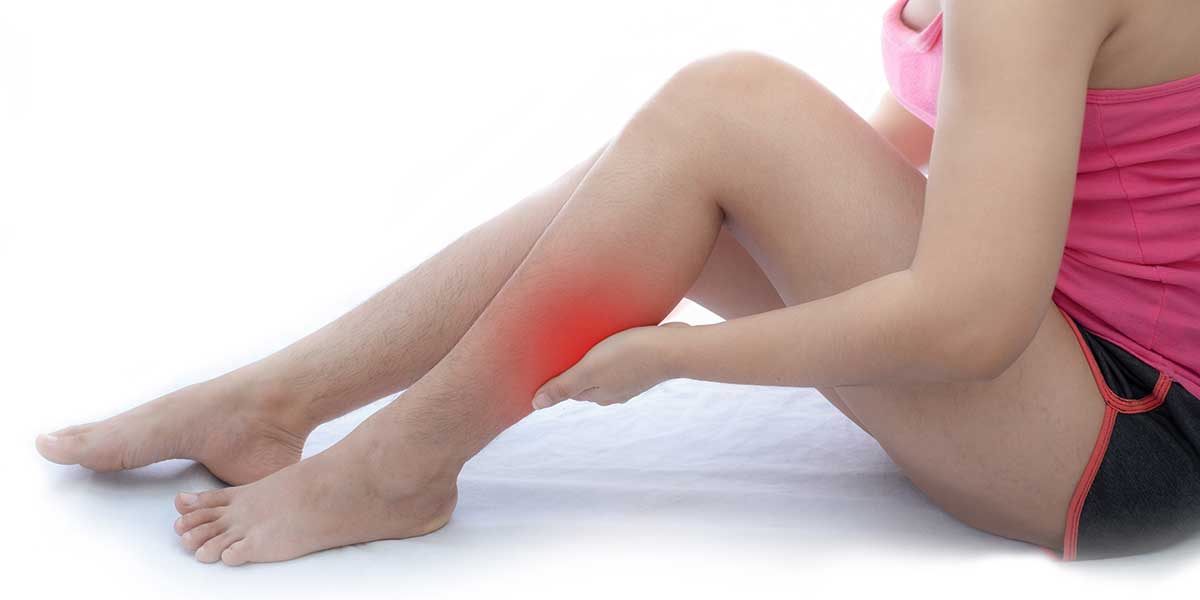
A burning sensation running down your leg can stop you in your tracks, and if it starts in your lower back, sciatica may be the reason. If you’re wondering, “What causes burning leg pain with sciatica?” a chiropractor at ChiroCare of Florida can help you find answers. Understanding where this pain comes from is the first step toward addressing it.
The sciatic nerve extends from the lower spine through the hips and into the legs, making it the longest nerve in the body. It controls sensation and movement in much of the lower body, which is why irritation along its path can affect such a wide area.
Understanding the nerve’s function helps explain why not all types of leg pain point to the same cause. When the sciatic nerve is compressed or inflamed, it can disrupt the signals traveling between the brain and the lower limbs, producing the burning or shooting sensations commonly associated with sciatic nerve pain.
Burning leg pain with sciatica usually traces back to something putting pressure on the nerve roots in the lower spine. Several underlying conditions can trigger this type of compression, including:
Each of these conditions affects the nerve differently, but the result is often the same type of radiating discomfort.
Nerve root compression disrupts the normal signals your nervous system sends between your brain and your body. When a nerve is under pressure, it doesn’t just stop working. Instead, it misfires and sends pain signals even when there’s no direct injury to the leg itself.
This misfiring is what produces neuropathic pain, which feels like burning or pins and needles. Burning leg pain with sciatica often feels worse when sitting for long periods or bending forward.
The burning feeling is rarely the only symptom people notice with sciatica. Other signs frequently appear alongside it, which can help identify how much the nerve is being affected.
Watch for these additional symptoms:
These symptoms, especially when they appear together, suggest the sciatic nerve is involved rather than a generalized muscle strain. Tracking when and how often they occur can help a provider identify the source more accurately.
Several habits and physical factors can increase pressure on the sciatic nerve and make symptoms harder to manage. Poor posture while sitting and a sedentary lifestyle both place added stress on the lumbar spine. Excess body weight compounds that stress by increasing the mechanical load on the lumbar discs.
Repetitive activities that involve heavy lifting or twisting can aggravate existing disc problems and worsen nerve compression. Identifying and adjusting these contributing factors alongside professional care gives the best chance of improvement.
Burning leg pain with sciatica has a clear cause, and identifying it is essential for finding the right care. At ChiroCare of Florida, we work with patients in Port St. Lucie to evaluate the source of their nerve pain and build chiropractic care plans that address it.
While sciatica is one common cause of nerve pain, musculoskeletal problems can affect many parts of the body. If you’ve been dealing with elbow tendonitis from lifting or other musculoskeletal issues, our team is equipped to help. Call us at (772) 279-8048 to discuss your symptoms and take the next step toward care.